
Residential and commercial excavation in Calgary covers controlled digging, material removal, and site preparation to exact specification. Nexus Earthworks handles foundation digs, full site strips, and excavation following demolition work, confirming your site conditions and scope can be handled and completing the dig so the next phase can proceed without delays.
Excavation requirements vary based on what is being built and the condition of the site. These are the residential and commercial projects across Calgary where excavation must be completed accurately to avoid delays and rework.
Projects that require digging to engineered depth for footings, full basements, or walkout basements. This work must meet frost depth requirements and hold consistent base elevation so structural work can proceed.
Projects where a structure has been removed and the site must be reworked before new construction. This includes clearing remaining material and debris, correcting grade, and preparing a stable base for the next build.
Projects that require stripping topsoil and removing large volumes of soil to bring a site to the required grade. Spoil is loaded and hauled off site when it cannot be reused, which applies when a lot is uneven, overfilled, or not aligned with the build plan.
Projects with limited entry points, nearby structures, or confined working space, common on tight residential infill lots. These require compact equipment such as mini excavators and skid steers, matched to the access so the work is completed without damage or delays.
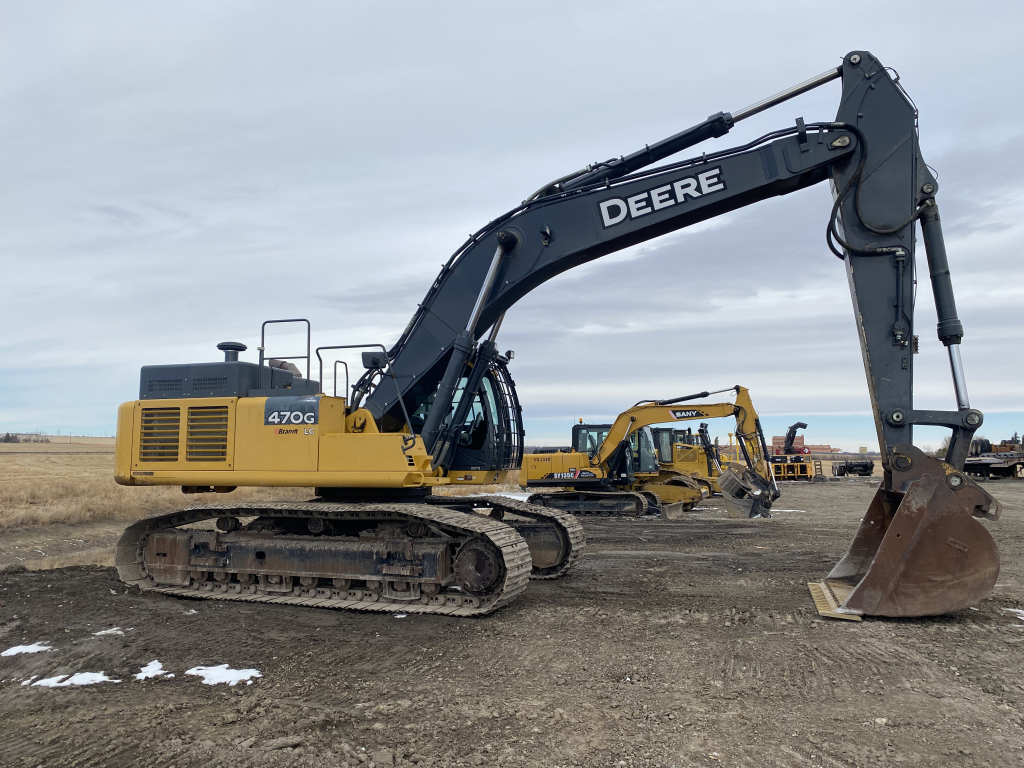
Excavation performance depends on the conditions below ground and around the site. Calgary projects often involve soil, frost, and access challenges that affect how work must be completed. Clay soil creates movement when moisture changes, which requires controlled excavation and proper base preparation to prevent shifting after construction.
Rock, bedrock, or dense material slows excavation and requires different equipment or methods to maintain progress without damaging surrounding areas. Sloped sites require controlled cutting and material placement to prevent instability during and after excavation.
Limited access affects equipment selection and how material is moved on and off the site, which impacts both timeline and cost.
Groundwater or wet conditions require managing water during excavation to maintain depth accuracy and prevent collapse. Frost depth also has to be accounted for so footings and base elevations sit below the frost line. If your site includes one or more of these conditions, the approach is adjusted before work begins to avoid delays during excavation.
Excavation must follow a controlled sequence so the site is prepared correctly for the next phase. Each step ensures the work meets requirements before moving forward.
The site is reviewed to confirm soil conditions, elevation differences, access points, and the required depth and layout. Underground utility locates are completed first so existing water, sewer, gas, and electrical lines are identified before any digging starts. This defines the exact scope before equipment is mobilized.
Equipment is selected based on access, soil conditions, and project size, from full-size excavators and dozers on open sites to mini excavators and skid steers on restricted lots. This ensures excavation is completed efficiently without causing damage or requiring rework.
Material is removed to the required depth and shape while maintaining grade accuracy. Soil is either relocated on site or hauled off depending on project requirements.
Once excavation is complete, the base is left at the correct elevation and condition for the next stage. This may include compaction or preparation for footings, utility trenching, or further earthworks and grading.
Pricing and timelines are set by the site itself, not a flat rate. The factors that most affect an excavation quote in Calgary are the ones that change how much material moves and how the work has to be sequenced.
Confirming these before the work begins is what keeps the quote accurate and the schedule realistic.
Excavation work often starts after problems have already affected the site. These issues require correction before construction can proceed.
Poor access requires adjusting equipment and sequencing to complete the work without damaging surrounding areas. Unstable or unsuitable soil requires removal or preparation before the site can support structural work.
Unexpected underground obstacles, such as old foundations, buried debris, or undocumented utility lines, are identified and worked around so the dig can continue safely. Groundwater found during excavation is managed to hold depth and keep the base stable.
Incomplete or incorrect previous work requires re-excavation to meet depth, grade, or compaction requirements before the next phase can begin.
Clients choose Nexus Earthworks when excavation must be completed accurately and aligned with the rest of the project. Work is performed to match required specifications so the next phase can proceed without delays.
The crew runs its own equipment fleet and brings decades of combined experience on Calgary sites, which keeps scheduling under one roof and problem-solving fast on complex jobs. Clear, quick communication means site conditions and constraints are addressed during planning rather than after excavation has started, which reduces rework and keeps projects moving.
If your project requires excavation in Calgary or the surrounding area, the next step is to define scope based on site conditions, depth requirements, and access. If your site includes constraints or previous work that may affect excavation, these can be identified before work begins so the correct approach is applied from the start.
Nexus Earthworks delivers reliable excavation, demolition, trenching, and site preparation services built on precision and accountability.
Website Built By: Impact IQ Marketing
© 2026 Nexus Earthworks – All rights reserved.